Follow Me On Social Media!

English Muffin Bread: The Best Homemade Delight Ever!

Introduction to English Muffin Bread
Imagine waking up to the tantalizing aroma of freshly baked English muffin bread. It’s a game-changer for breakfast lovers, combining the beloved characteristics of your favorite English muffins with the convenience of a loaf. You might be wondering why this delightful bread has gained such popularity among home bakers and food enthusiasts alike.
What makes English muffin bread so appealing?
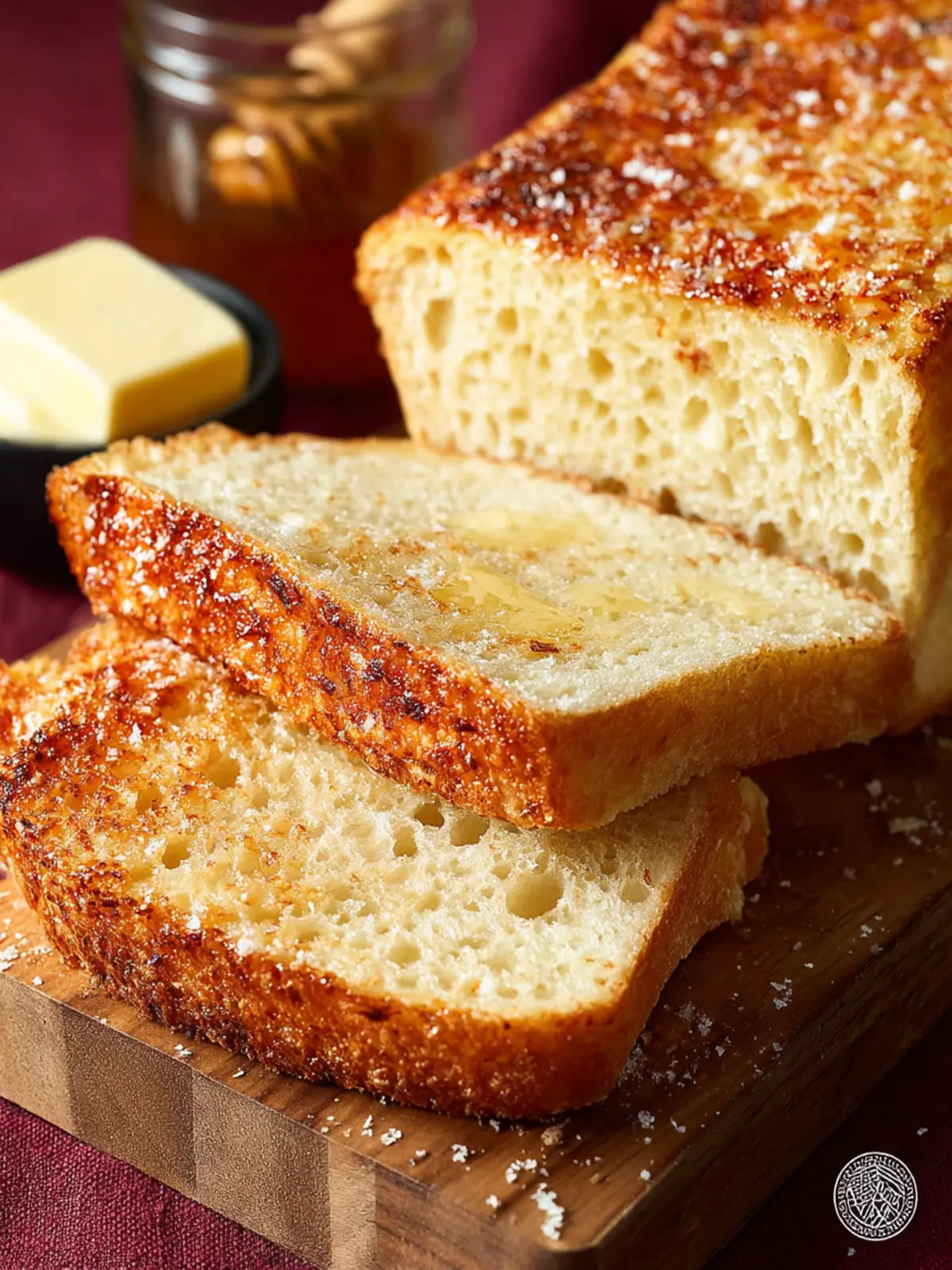
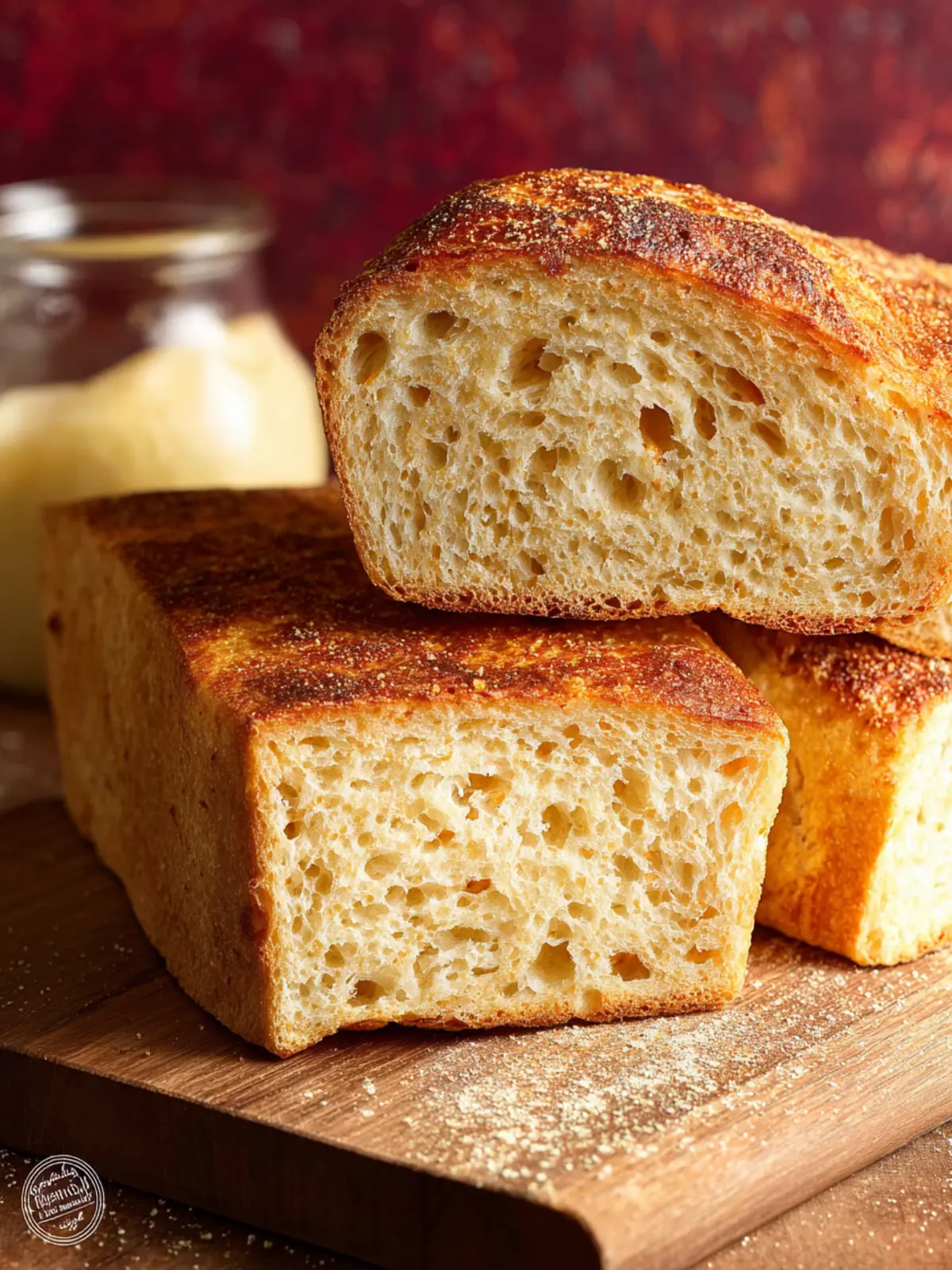
One of the standout features of English muffin bread is its unique texture, characterized by a soft, tender crumb accented by the unmistakable nooks and crannies that make it ideal for holding butter, jam, or any spread you fancy. These crannies are not just for show; they catch and trap flavor, making every bite a little piece of heaven.
Not only is this bread satisfying, but it’s also incredibly versatile. You can slice it up for toast, craft gourmet sandwiches, or serve it as a side for soup or salad. The joy of cutting into the loaf to reveal those delightful openings showcases a visually appealing masterpiece that is both comforting and nostalgic.
Another reason to love English muffin bread is its simplicity in preparation. A mix of basic pantry ingredients—flour, yeast, salt, and milk—comes together to create a loaf that is easy enough for beginner bakers. Plus, this bread requires minimal fuss, often rising while you go about your morning routine.
Whether you’re gearing up for brunch with friends or seeking a comforting snack at any hour, English muffin bread breathes versatility into your culinary repertoire. It’s delightful toasted, slathered with butter, or topped with avocado and poached eggs. The options are endless. So, next time you’re craving something warm and comforting, consider giving English muffin bread a try!
This homemade treat can transform your simple meals into something truly special, leaving your taste buds yearning for more. Dive into the recipe and embrace the magic of this fantastic bread—you won’t regret it!
Key Ingredients for English Muffin Bread
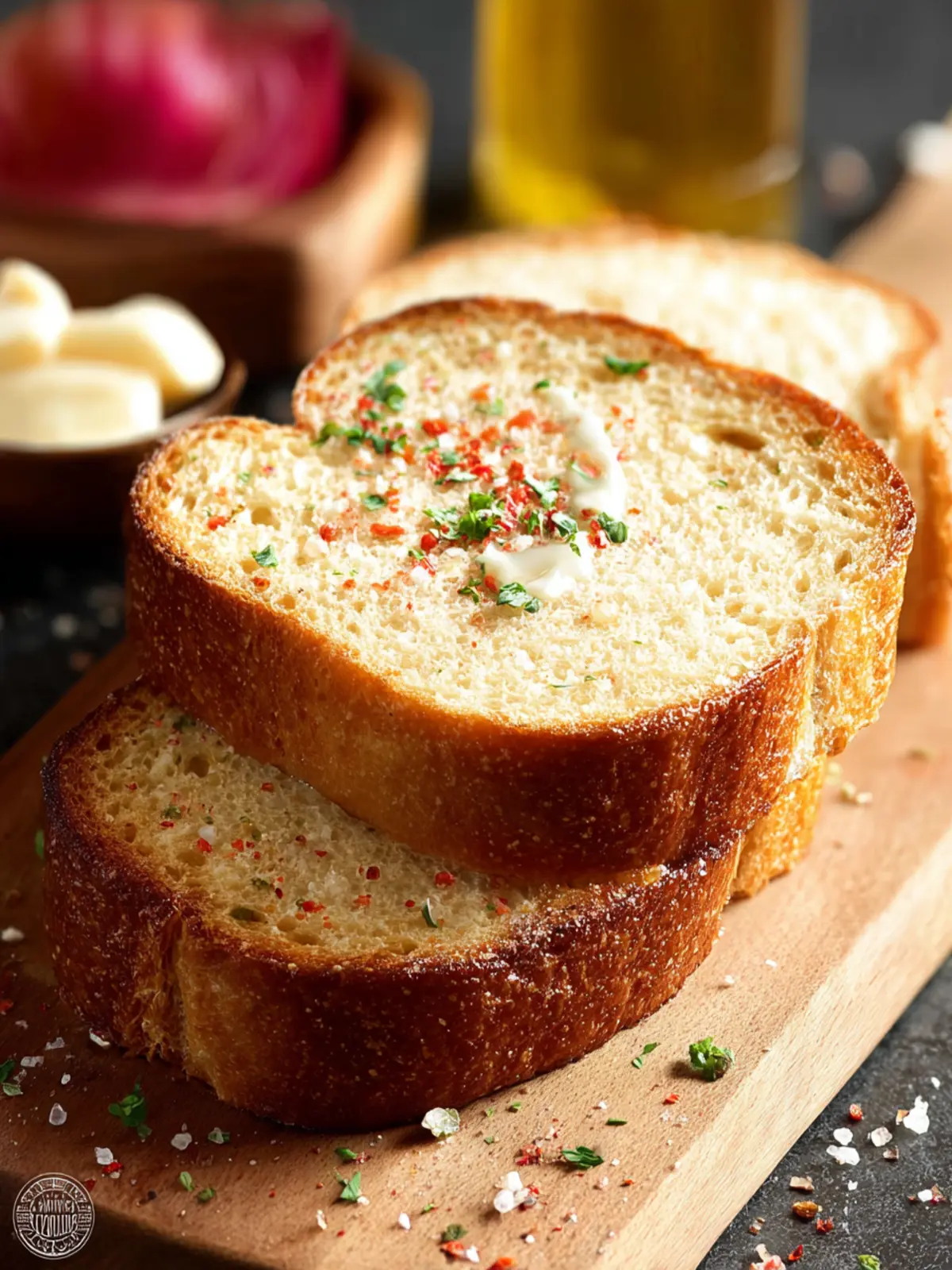
Creating a batch of English muffin bread isn’t just about the final product; it’s a delightful journey that starts with high-quality ingredients. Each element plays a crucial role in achieving that perfect, toasty, and chewy texture we all love.
-
Flour: I use all-purpose flour as the base for this recipe. It gives the bread structure while allowing it to rise nicely. You can try bread flour for a chewier texture, if you prefer!
-
Milk: Warm milk is essential in this recipe. It helps activate the yeast while adding a touch of richness that keeps the bread moist and flavorful.
-
Yeast: Using active dry yeast helps the bread rise beautifully. Make sure to give it a little time to work its magic by allowing it to bloom in warm milk.
-
Sugar: A tablespoon of sugar is added, which nourishes the yeast and enhances the flavor. Don’t worry, it won’t make the bread sweet; it simply supports the fermentation process.
-
Salt: Salt is key to enhancing all the flavors in your English muffin bread. It also helps strengthen the dough, ensuring it maintains its shape.
With these key ingredients, you’re well on your way to baking a loaf filled with those delectable nooks and crannies, perfect for toasting!
Why You’ll Love This English Muffin Bread
Imagine waking up on a weekend to the inviting aroma of freshly baked english muffin bread, wafting through your home. This recipe is not just about making bread—it’s about crafting a delightful experience that transforms your morning routine.
What’s particularly fascinating about this english muffin bread is its unique texture. The nooks and crannies, which are ideal for trapping butter and jam, make each slice a canvas for your favorite toppings. You can enjoy it toasted with rich, creamy butter, or perhaps slathered in some homemade strawberry jam.
Here are a few reasons you’ll fall head over heels for this recipe:
- Ease of Preparation: Unlike traditional English muffins, this bread requires minimal hands-on time; you simply mix and let it rise!
- Versatility: Perfect for breakfast sandwiches, or even as your base for French toast—think outside the box with this versatile bread.
- Healthier Options: You can easily modify the recipe to incorporate whole grain flours or seeds for added nutrition without compromising on flavor.
Ultimately, this english muffin bread will elevate your meal options, turning ordinary moments into something extraordinary. Give it a try, and you just might find yourself baking a loaf every week!
Tips for Making Perfect English Muffin Bread
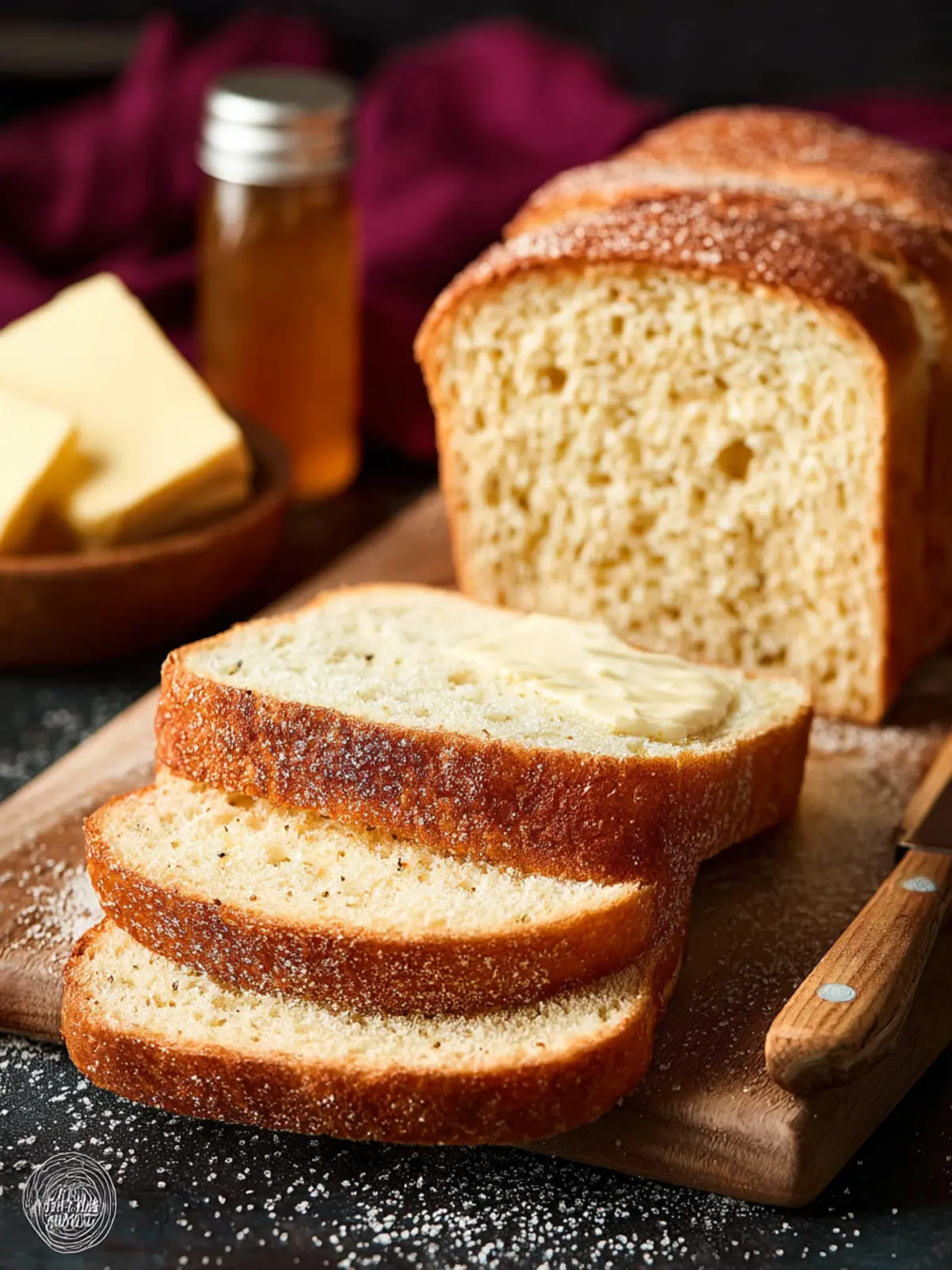
Creating your own English muffin bread at home can transform your breakfast routine and fill your kitchen with irresistible aromas. To ensure your bread turns out fluffy and delicious, here are some essential tips.
Choose Quality Ingredients
The flavor of your English muffin bread largely depends on the quality of your ingredients. Use fresh yeast for the best rise; it makes all the difference in texture. If you’re opting for flour, consider a blend that includes bread flour for added chewiness.
Master the Mixing Technique
Mixing is crucial for developing the proper dough consistency. Start by incorporating wet and dry ingredients gradually. A well-mixed dough should be slightly sticky, but not overly so; adjust with flour a tablespoon at a time if necessary.
Don’t Rush the Rise
Patience is key. Allow the dough ample time to rise, as this develops the flavor and texture. A good rule of thumb is to let it double in size, which may take about an hour, depending on your kitchen’s temperature.
Proper Baking Temperature
Baking your English muffin bread at the right temperature helps to achieve that desirable crust. Preheat your oven thoroughly to 350°F (175°C) for even baking and beautiful golden color.
Following these tips not only makes the process enjoyable but also guarantees that your homemade English muffin bread will be the talk of the breakfast table!
Time Breakdown for English Muffin Bread
When you’re ready to enjoy homemade English muffin bread, understanding the timing can make all the difference in your baking journey. This bread is not only delightful but also a favorite for breakfast or snack, and knowing how to manage your time will help you create the perfect loaf.
Preparation Time
Getting started on your English muffin bread is straightforward, with a preparation time of about 15 minutes. During this time, you’ll mix your ingredients and prepare your dough, setting the stage for a delicious outcome.
Rising Time
The bread needs some love and patience. Allow it to rise for approximately 1 hour. This crucial step lets the dough develop flavor and texture, leading to the fluffy bread we all enjoy.
Baking Time
Once your dough has risen, it’s time to bake! The actual baking takes about 30 to 35 minutes. This is when the magic happens as your kitchen fills with the tantalizing aroma of fresh bread.
Total Time
In total, you’re looking at around 1 hour and 50 minutes from start to finish. With just a little bit of effort and planning, you’ll be savoring your home-baked English muffin bread before you know it!
Nutritional Facts for English Muffin Bread
When you bake a delicious loaf of English muffin bread, understanding its nutritional profile can enhance your overall experience. This delightful bread is not only versatile but also packed with essential nutrients.
Calories
Each slice of English muffin bread typically contains around 120 calories. This makes it a guilt-free option whether you’re toasting it for breakfast or using it for sandwiches.
Protein
With about 4 grams of protein per slice, English muffin bread serves as a decent source to help fuel your day. Pair it with your favorite toppings—think peanut butter or eggs—to amplify your protein intake.
Sodium
One slice usually has around 160 mg of sodium. While that’s relatively low, keeping an eye on additional toppings and spreads can help maintain a balanced diet.
Enjoy this tasty bread, knowing that it can fit nicely into a healthy lifestyle!
FAQs about English Muffin Bread
When you decide to embark on the delightful journey of making English muffin bread, it’s natural to have a few questions. Here are some common queries that could smooth out your baking experience.
Can I make this bread without a bread machine?
Absolutely! While a bread machine simplifies the process, you can easily make English muffin bread by hand. Start by mixing your ingredients in a large bowl until a sticky dough forms. Then, knead the dough on a floured surface for about 10 minutes until smooth. After that, let it rise in a warm place until it doubles in size, shape it into a loaf, and bake at your desired temperature. You’ll achieve that wonderful texture and flavor just as effectively!
How can I store English Muffin Bread?
To keep your English muffin bread fresh, store it in an airtight container at room temperature for up to two days. For longer storage, consider slicing the bread and freezing it. Wrap each slice in plastic wrap and place it in a freezer bag. That way, you can enjoy perfectly toasted slices whenever you want!
What can I use instead of cornmeal?
If you find yourself short on cornmeal, don’t worry! Wheat flour or semolina can be great substitutes when creating that signature crust on your English muffin bread. Simply sprinkle a little on your baking surface to avoid sticking, and you’ll still achieve a delightful texture. Plus, these alternatives can introduce unique flavors that might surprise you!
With these tips in hand, you’ll be well on your way to mastering your English muffin bread adventure!
Conclusion on English Muffin Bread
Creating english muffin bread at home not only enhances your breakfast experience but also allows for delightful variations. Whether you enjoy it toasted with butter or piled high with your favorite toppings, this warm, sliceable version of the classic muffin brings comfort and satisfaction. The mix of easy-to-find ingredients and straightforward instructions makes it a perfect weekend project. By incorporating this recipe into your routine, you’ll find it’s not just about the bread itself; it’s about the heartwarming moments shared over breakfast. So, roll up your sleeves and let the aroma of freshly baked bread fill your home. You’ll be glad you did!
Print
Homemade Bread
- Total Time: 1 hour 35 minutes
- Yield: 1 loaf 1x
- Diet: Vegetarian
Description
Delicious homemade bread with a soft texture and golden crust.
Ingredients
Scale
- ¾ cup whole milk (heated to 110°F (43°C))
- ½ cup water (heated to 110°F (43°C))
- 1 tablespoon unsalted butter (melted)
- 1 tablespoon honey (or granulated sugar)
- 1½ teaspoons table salt
- 3 cups all-purpose flour (or bread flour for a sturdier loaf)
- ⅛ teaspoon baking soda
- 1 teaspoon instant yeast
- 2 tablespoons cornmeal (for oven version only)
Instructions
- In a large mixing bowl, whisk together the flour, baking soda, yeast, and salt.
- Add the warm milk, warm water, honey, and melted butter.
- Mix with a Danish dough whisk or wooden spoon for 3 minutes, until the dough becomes slightly smooth but remains shaggy. Alternatively, mix with a stand mixer fitted with a dough hook on high speed for 2 minutes.
- Grease an 8 × 4 inch (22 × 11 cm) loaf pan and sprinkle the bottom and sides with 2 tablespoons of the cornmeal.
- Transfer the dough into the prepared pan and smooth the top if needed. Loosely cover with greased plastic wrap.
- Let the dough rise in a warm spot for 1 hour or until the dough reaches the top edge of the pan.
- Preheat the oven to 400°F (200°C). Bake the loaf for 25 minutes or until golden brown and the internal temperature reaches 190°F (88°C).
- Remove from the oven and let cool in the pan for 10 minutes. Then transfer to a wire rack to cool completely before slicing.
- Omit the cornmeal.
- To the bread pan, add the following ingredients in this order: warm milk, warm water, melted butter, honey, salt, flour, baking soda, and yeast.
- Insert the bread pan into the machine and make sure it is secured. Close the lid and plug in the machine.
- Select the basic bread setting, loaf size (small, or 1 lb), and preferred crust color (light, medium, or dark). Start the cycle.
- If you are nearby after the kneading stage and before the dough begins to rise, open the lid and smooth the top of the dough with a damp spatula or clean fingers. This helps avoid an uneven or lopsided loaf, which can happen if the dough is stuck to one side of the pan.
- Once the baking cycle ends, unplug the machine. Wearing kitchen mittens, carefully remove the bread pan and allow it to cool for 10 minutes.
- Turn the loaf out onto a wire rack and let it cool completely before slicing. If the paddle remains in the loaf, gently remove it.
Notes
- This recipe can be adjusted for different flavors by adding herbs or spices.
- Store bread in an airtight container for freshness.
- Prep Time: 10 minutes
- Cook Time: 25 minutes
- Category: Breads
- Method: Baking
- Cuisine: American
Nutrition
- Serving Size: 1 slice
- Calories: 120
- Sugar: 1g
- Sodium: 200mg
- Fat: 3g
- Saturated Fat: 1g
- Unsaturated Fat: 2g
- Trans Fat: 0g
- Carbohydrates: 22g
- Fiber: 1g
- Protein: 4g
- Cholesterol: 5mg